Introduction
Baking is more than just a method of cooking; it's an art, a science, and a comforting ritual for many. Whether you're preparing a birthday cake, warm cookies for a rainy day, or your first loaf of bread, baking connects us with tradition and creativity. In this comprehensive guide, you'll learn everything you need to know to master **baking at home**. From tools and ingredients to expert tips and beginner-friendly recipes, we've got you covered.

What is Baking?
At its core, **baking** is the process of cooking food using dry heat, typically in an oven. Unlike stovetop cooking, baking is all about precision, timing, and chemical reactions. The process transforms raw ingredients into structured, flavorful results through heat. Understanding the basics of **how to bake** is essential for achieving consistent and delicious outcomes. You'll encounter terms like creaming, folding, and proofing, all of which are part of the baking vocabulary.
Essential Baking Equipment
Starting your baking journey doesn't require a professional kitchen. A few key tools are all you need to get started. Every beginner should have **measuring cups and spoons**, **mixing bowls**, a **whisk**, **rubber spatula**, and **baking pans** like loaf tins or cookie sheets. As you progress, tools like a stand mixer, silicone mats, and a kitchen scale can enhance your efficiency and precision. Investing in the right **baking tools every beginner needs** will make the experience more enjoyable and successful.
Baking Ingredients
Ingredients are the building blocks of baking. Understanding their function is crucial. **Flour** provides structure, with options like all-purpose, cake, or bread flour each serving a different purpose. **Sugar** adds sweetness and affects texture. **Leavening agents** such as baking powder, baking soda, and yeast help doughs and batters rise. Other essentials include **eggs**, **butter**, **milk**, and **vanilla extract**. For those with dietary needs, there are plenty of **healthy baking alternatives** like almond flour, coconut sugar, or flax eggs. Knowing the **best flour for baking cakes** or bread can be the difference between a flop and a triumph.
How to Get Started with Baking
Starting can feel intimidating, but a few basics will help. Choose **easy baking recipes** to build confidence. Always **read the recipe thoroughly** before starting. Measure ingredients accurately—ideally by weight for consistency—and understand terms like "fold gently" or "cream until light and fluffy." Preheating the oven and prepping your baking pans ahead of time ensures smooth workflow. Remember, **baking for beginners** is about learning and experimenting—mistakes are part of the process.
Easy Baking Recipes for Beginners
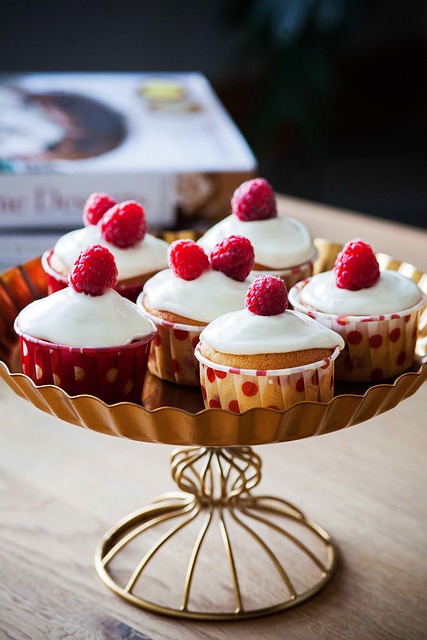
If you're new to baking, start simple. Try classic **chocolate chip cookies**, moist **banana bread**, or soft **vanilla cupcakes**. A **no-knead artisan bread** is also a great entry point. These **easy cookie recipes for beginners** offer quick wins and valuable practice. Focus on mastering these before diving into more complex recipes. As you improve, you'll notice a better understanding of texture, moisture, and flavor balance.

Baking Tips & Tricks
The difference between good and great baking often comes down to technique. Always use room-temperature ingredients unless the recipe states otherwise. Avoid overmixing, which can lead to dense cakes or rubbery cookies. Use parchment paper to prevent sticking and ensure even browning. Understanding **common baking mistakes to avoid**—like opening the oven too early or mismeasuring flour—can save you time and frustration.
Baking for Special Diets
You can still enjoy delicious baked goods while accommodating dietary restrictions. **Gluten-free baking recipes** use flours like almond, coconut, or oat to replicate the texture of traditional flour. **Vegan baking** replaces eggs with flaxseed or applesauce and dairy with plant-based milks and butters. Exploring **healthy baking alternatives** can also introduce new flavors and nutritional benefits. These recipes cater to everyone without compromising taste or texture.
Seasonal and Fun Baking Ideas
Get festive in the kitchen with **baking ideas for holidays** like Christmas cookies, pumpkin pie, or heart-shaped Valentine’s treats. If you’re baking with family, **baking with kids** can be a fun and educational activity. Choose simple recipes they can help with—like decorating sugar cookies or mixing muffin batter. Seasonal baking brings warmth, tradition, and joy to every occasion.
Advanced Baking Skills (For When You're Ready)
Once you're comfortable with the basics, try advanced techniques. Make a **sourdough starter**, bake crusty artisan loaves, or learn to laminate dough for croissants. Practice piping decorations on layered cakes or tempering chocolate. As you refine your techniques, you'll be amazed at the professional-quality desserts you can create at home. Deepening your knowledge of **baking bread** and other artisanal methods can elevate your skill set.
Recommended Resources
Learning is ongoing. Follow YouTube channels like Binging with Babish or Cupcake Jemma, explore food blogs, or read classic cookbooks like *Joy of Cooking*. Join online forums or local classes. Baking apps can help with timers, conversions, and substitutions. The right tools and inspiration will keep your baking journey exciting and progressive.
Conclusion
Baking is a fulfilling, creative, and endlessly rewarding activity. Whether you're a total novice or brushing up on skills, there's always something new to learn. Start small, be patient, and enjoy the process. With time, you'll grow more confident and adventurous in the kitchen. Try one new recipe this week and see where it leads. Happy baking!
**Bonus: Troubleshooting Baking Problems**
* **Why didn’t my cake rise?** You may have overmixed the batter, used expired leavening agents, or opened the oven too early.
* **Cookies too flat?** The butter may have been too warm, or the dough wasn't chilled.
* **Bread not rising?** Yeast might be old or the room too cold.
Understanding these baking hiccups and knowing quick fixes is a key part of becoming a confident home baker.